If you’re thinking about buying in Midtown Savannah, one of the first things to know is that “Midtown” is not just one neat, predictable neighborhood. It’s a collection of established in-town neighborhoods, each with its own layout, home styles, street feel, and day-to-day rhythm. That can feel exciting and a little overwhelming at the same time. The good news is that once you understand how Midtown works, you can shop smarter and focus on the areas that fit your goals. Let’s dive in.
Midtown Means Several Neighborhoods
When buyers say they want a home in Midtown Savannah, they are usually talking about a broad area rather than one single subdivision. The City of Savannah’s District 4 includes neighborhoods such as Parkside, Ardsley Park, Chatham Crescent, Ardmore, Habersham Village, Medical Arts, Kensington Park, Groveland, Habersham Woods, Paradise Park, Oakhurst, Mayfair, and Bacon Park.
That matters because your experience can change a lot from one block to the next. Lot size, architecture, garage setup, parking, and the mix of homes near commercial edges can all vary. If you are relocating or just not familiar with the area yet, it helps to think of Midtown as a group of neighborhoods with a shared in-town location, not a one-size-fits-all housing market.
The City’s Open Neighborhoods map can be a useful tool while you search. It can identify a neighborhood by address and show nearby parks, bikeways, community centers, grocery stores, libraries, and CAT bus stops. For buyers, that makes it easier to compare what daily life might look like at one address versus another.
Midtown Homes Have Real Variety
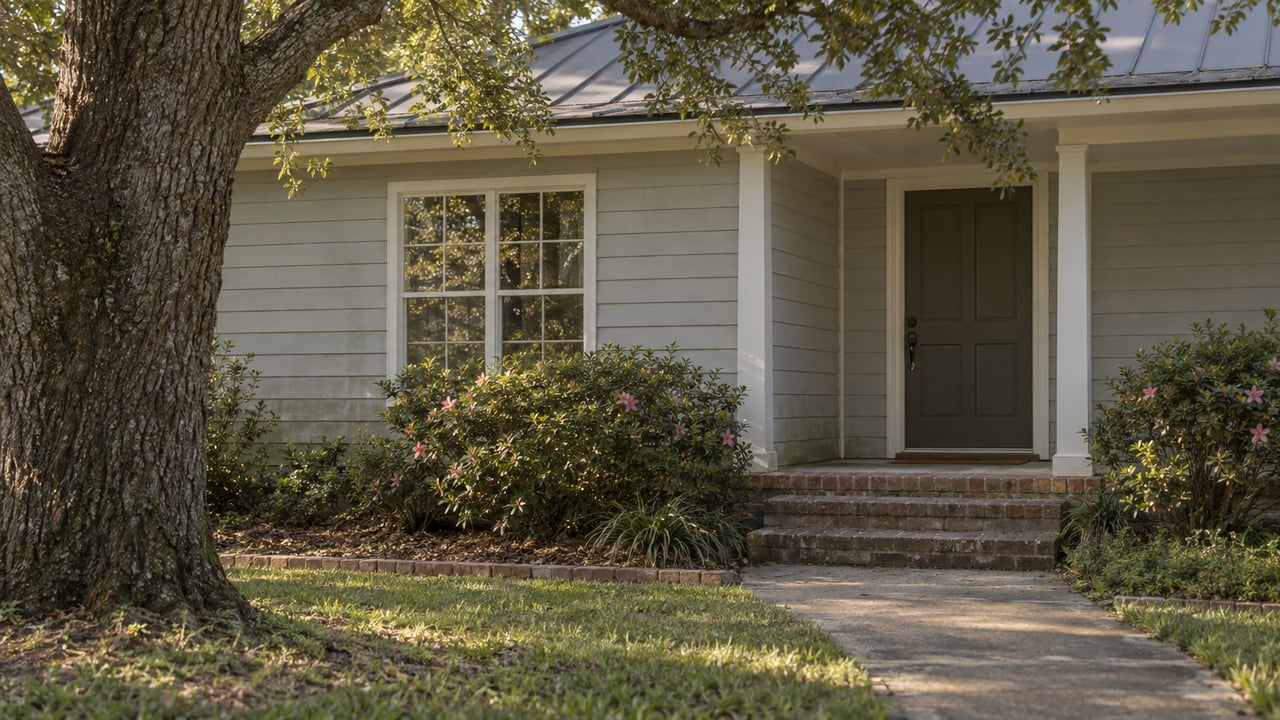
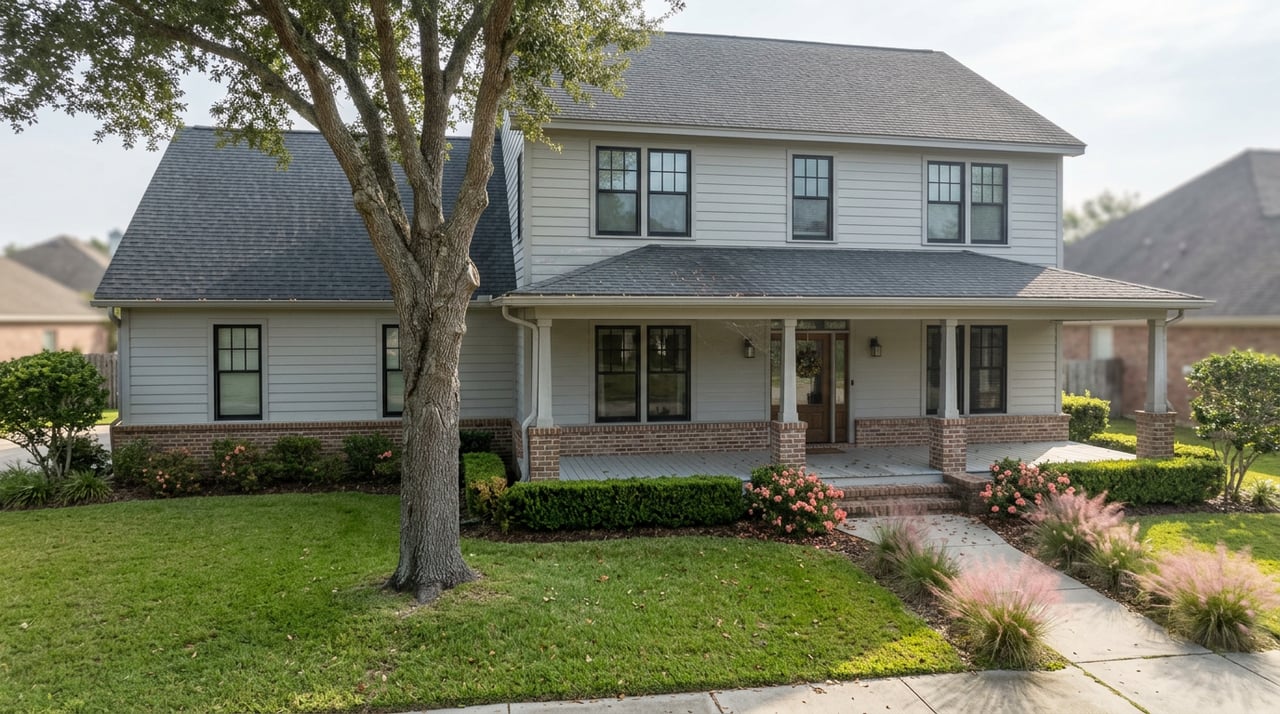
One of Midtown’s biggest strengths is the range of homes you can find. Instead of row after row of similar houses, you’ll see a mix of older homes, later additions, and some newer construction, depending on the pocket.
Historic Areas Offer Distinct Character
In Ardsley Park-Chatham Crescent, development began around 1909 and 1910 as two planned subdivisions. Ardsley Park follows a grid plan with landscaped squares, while Chatham Crescent uses crescent-shaped avenues and small circular parks. Homes there range from larger two-and-a-half-story houses to more modest cottages and bungalows, with generally consistent setbacks from the street.
In the Thomas Square Streetcar Historic District, the housing mix reflects its growth from the late 19th century into the mid-20th century. Buyers may see single-family homes, multiple-family homes, and nearby commercial or community buildings. Architectural types include Bungalow, Queen Anne, Georgian, Gable Ell, Shotgun, Side Hallway, and Hall Parlor forms.
The Savannah Victorian District has a different feel again. It is known for shaded, tree-lined streets, wide brick sidewalks, narrow lots, and mostly two-story wood-frame detached homes. You may also see rowhouses and shotgun cottages, along with styles tied to Victorian-era and post-Civil War domestic architecture.
You May Also Find Ranches and Mid-Century Homes
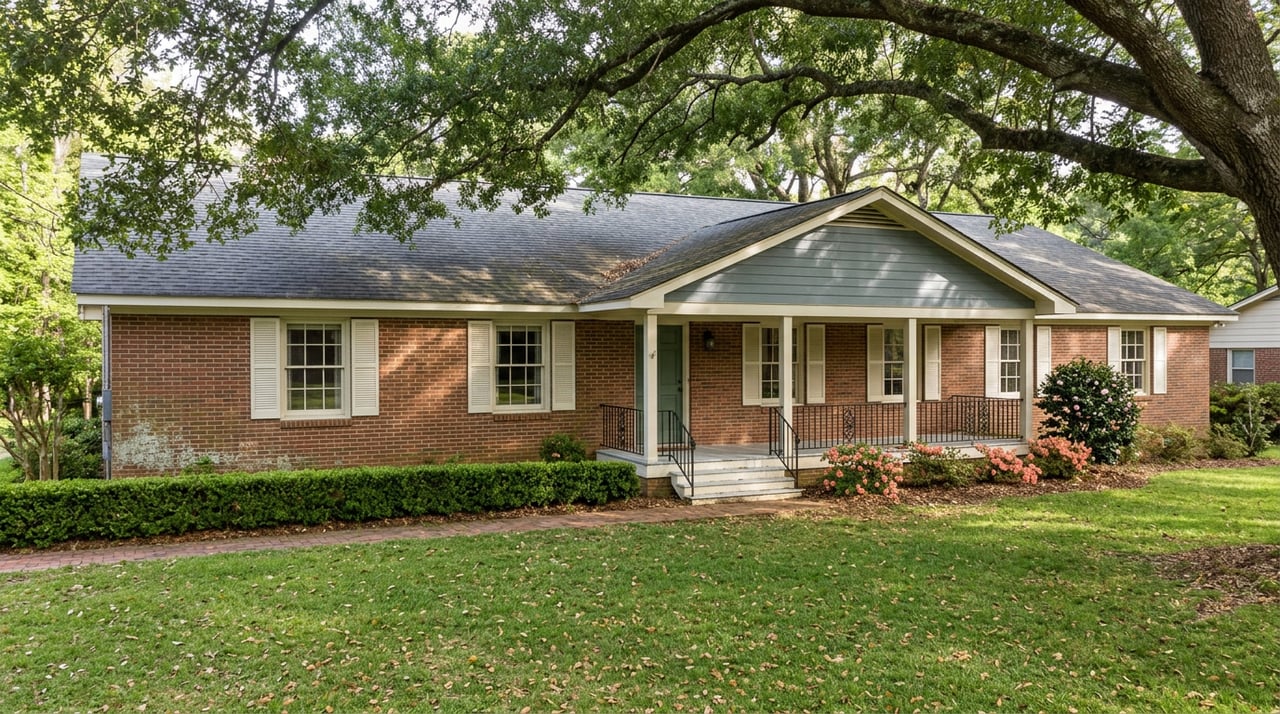
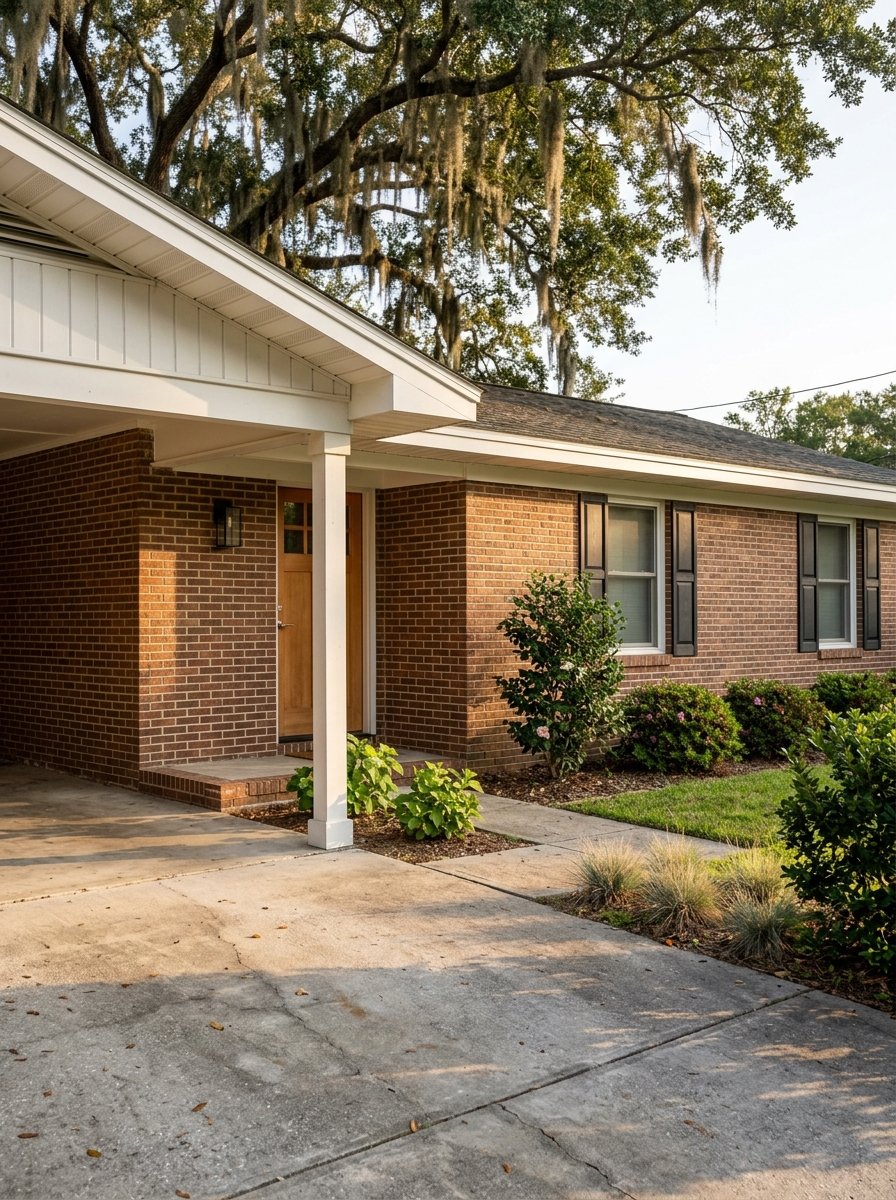
Not every Midtown home has early-1900s architecture. Contemporary neighborhood descriptions also point to Craftsman bungalows, American Foursquares, and newer construction in some areas. Other Midtown pockets include spacious mid-century ranch homes and earlier-20th-century housing, which gives buyers more flexibility in layout and maintenance preferences.
If you love original character, Midtown gives you plenty to explore. If you prefer a more straightforward floor plan or a different era of construction, you may still find options within Midtown’s wider footprint.
What Daily Life in Midtown Can Feel Like
For many buyers, Midtown stands out because it offers an in-town residential setting with convenient access to parks, commercial nodes, and other parts of Savannah. It tends to feel more residential than downtown, while still keeping you close to a lot.
Homes.com describes Midtown as walkable and bike-friendly, though many residents still rely on cars for longer trips. CAT buses run through the area, and Route 80 plus Interstates 516 and 16 are nearby. If your routine includes commuting, errands, or getting across town often, that balance of neighborhood feel and broader access may be a plus.
Services tend to cluster near the edges rather than being evenly spread through every block. Midtown is primarily residential, but neighborhood guides note scattered corner markets and grocery access about a mile away in some cases. Midtown is also often framed around places like Daffin Park, Grayson Stadium, Habersham Village, and a quick drive to the Historic Landmark District.
Parking and Yards May Differ From Expectations
If you are moving from a newer suburban area, Midtown may require a mindset shift. In many parts of Midtown, curbside parking is the default, and some busier commercial edges may have metered streets.
That is a different setup from downtown Savannah, where parking is more structured with metered spaces, garages, surface lots, and a shuttle system. In Midtown, your parking experience is more likely to depend on your street, your lot, and whether the home has a driveway, garage, or alley access.
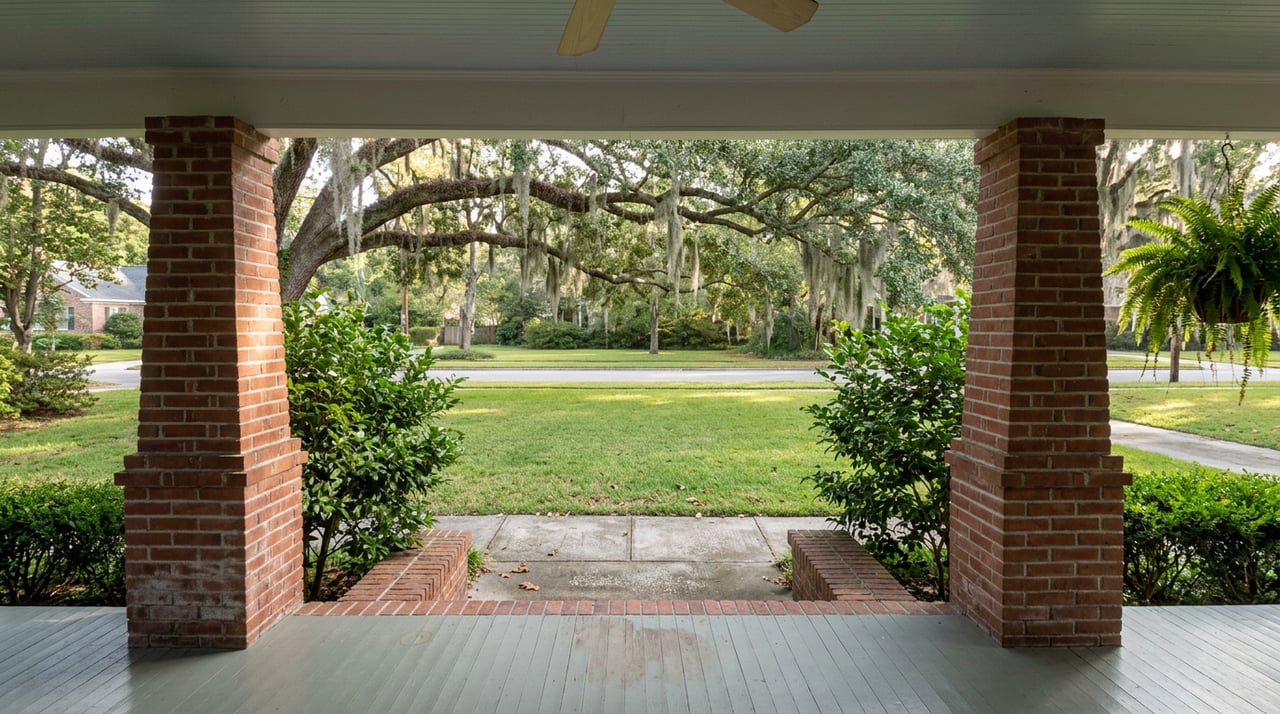
Outdoor space can also look different than buyers expect. In many older Midtown areas, the appeal comes more from porches, mature trees, landscaped streets, and nearby parks than from oversized private yards.
Ardsley Park-Chatham Crescent is known for extensive landscaping, large shade trees, and some larger lots near park areas. Thomas Square includes tree-lined streets, landscaped medians, and door yard gardens. In the Victorian District, buyers may find narrow landscaped lots and shallower front yards.
For many Midtown buyers, that means private yard space may be more modest, especially on older blocks. At the same time, access to shared green space can be strong, with neighborhood guides highlighting places like Baldwin Park, Tiedman Park, Daffin Park, and Forsyth Park nearby.
Historic Rules Can Affect Home Projects
If you are considering a home in a historic overlay, it is smart to ask early about renovation limits and approval requirements. In Savannah, certain material exterior changes in historic districts such as the Victorian, Streetcar, Ardsley-Park, and Ardmore-Chatham Terrace districts may require a Certificate of Appropriateness.
The zoning code also addresses things like off-street parking and visual compatibility in historic districts. That does not mean you should avoid these homes. It simply means you want to understand the rules before planning window changes, exterior updates, additions, fencing, or other visible work.
For some buyers, those standards are part of the appeal because they help preserve neighborhood character. For others, they are a practical factor to weigh before making an offer.
Midtown vs. Other Savannah Areas
Midtown often appeals to buyers who want to stay close to the center of Savannah without being in the middle of the visitor-focused downtown environment. Compared with the Historic Landmark District and downtown, Midtown generally feels more residential and less tourism-oriented.
Compared with newer southside neighborhoods, Midtown often has an older, more connected street layout. Areas south of DeRenne Avenue such as Fairway Oaks, Groveland, Kensington Park, and Magnolia Park were planned with curving streets, cul-de-sacs, irregular lots, and house types like ranches and split-levels. By contrast, many older Midtown blocks are more grid-based, denser, and more connected to the street.
That does not make one better than the other. It just means the lifestyle and housing tradeoffs are different. Midtown may be a strong fit if you value established streetscapes, architectural variety, and close-in access to parks and neighborhood amenities.
What the Midtown Market Suggests
Current market conditions also matter when you are deciding how to shop. Realtor.com describes Midtown as a balanced market, with homes selling about 1.82% below asking on average in March 2026 and a 98% sale-to-list ratio.
For buyers, that suggests a market where pricing still matters and negotiation may be possible, but homes are not trading at deep discounts on average. In a neighborhood cluster as varied as Midtown, the right strategy often depends on the specific home, its condition, location within Midtown, and how it compares with nearby sales.
Smart Tips for Midtown Buyers
Before you buy in Midtown Savannah, keep these practical points in mind:
- Study the exact neighborhood, not just the Midtown label. Block-by-block differences are real.
- Check parking carefully. Do not assume every home has off-street parking or the same curbside setup.
- Look beyond lot size. Porches, shade trees, and nearby parks are a big part of Midtown living.
- Ask about historic district rules early. Exterior changes may need review in some areas.
- Compare home eras honestly. Older homes may offer charm, while mid-century or newer options may suit different needs.
- Think about daily routines. Grocery access, commuting routes, parks, and nearby services can shape your experience just as much as the house itself.
Buying in Midtown is often about finding the right match between house, block, and lifestyle. If you take the time to understand the neighborhood differences, you can make a much more confident decision.
Midtown Savannah offers a lot to love, from tree-lined streets and established neighborhood character to a broad mix of home styles and close-in convenience. The key is knowing that Midtown is not all one thing. When you understand its neighborhood-by-neighborhood differences, you can narrow your search with more clarity and avoid surprises along the way.
If you want help comparing Midtown neighborhoods or figuring out which type of Savannah home best fits your goals, Marjorie Wester offers local guidance grounded in experience, clear communication, and a practical understanding of the market.
FAQs
What should buyers know about Midtown Savannah neighborhoods?
- Buyers should know that Midtown Savannah is a collection of neighborhoods, not one uniform subdivision, so home styles, lot sizes, parking, and street feel can vary significantly by area.
What kinds of homes are common in Midtown Savannah?
- Midtown Savannah includes a wide range of homes, including cottages, bungalows, larger early-1900s houses, Victorian-era homes, shotgun cottages, and mid-century ranch homes in some pockets.
What is parking like at Midtown Savannah homes?
- Parking in Midtown Savannah is often curbside, though the setup can vary by street and property, and some busier commercial edges may have metered parking.
Do Midtown Savannah homes usually have large yards?
- Many Midtown Savannah homes, especially in older areas, may have more modest private yards, with outdoor appeal often coming from porches, mature trees, landscaped streets, and nearby parks.
Do buyers need to check historic district rules in Midtown Savannah?
- Yes, buyers should check whether a home is in a historic overlay because certain exterior changes in some Midtown-related historic districts may require city review and approval.
Is Midtown Savannah a good fit for buyers who want convenience?
- Midtown Savannah can be a strong fit for buyers who want an in-town residential setting with access to parks, bus routes, nearby commercial areas, and a quick drive to downtown Savannah.