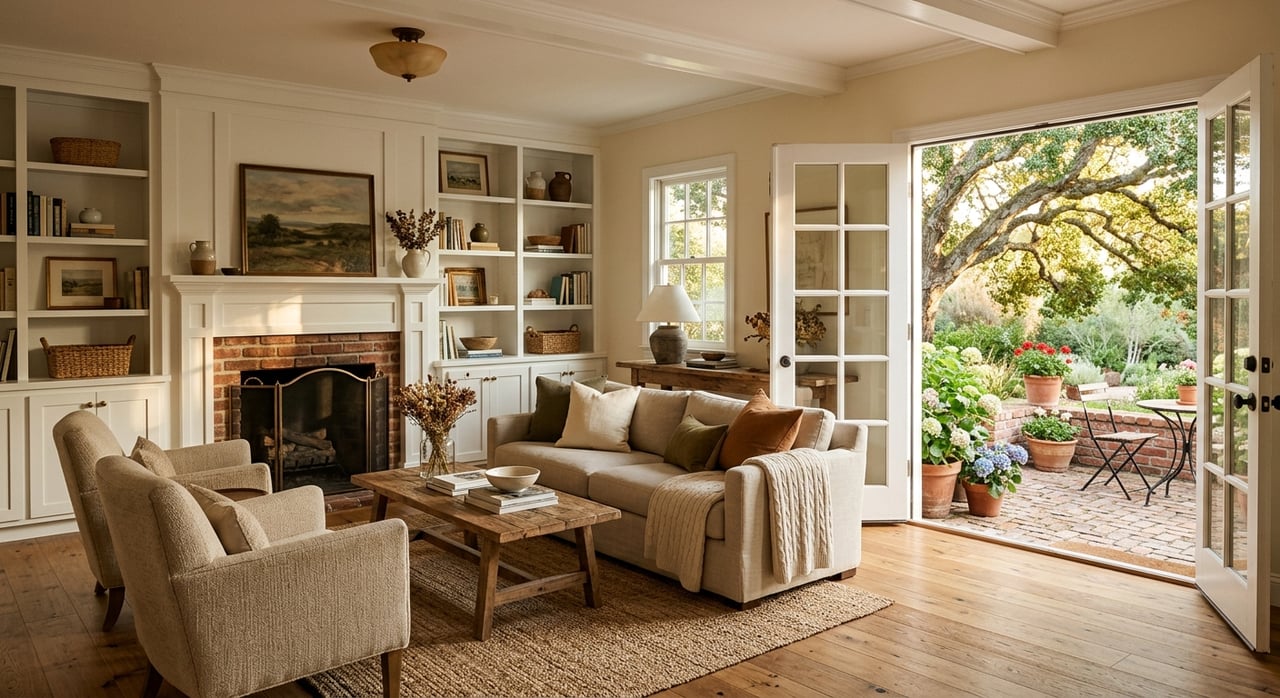
If you are thinking about selling your Savannah home, one truth matters right away: listing at the right price and showing up well from day one can make a real difference. In a market where buyers often compare multiple homes and negotiate carefully, it helps to go in with clear expectations instead of guesswork. The good news is that a little planning can help you avoid common mistakes, attract stronger interest, and feel more confident before your home hits the market. Let’s dive in.
Understand Savannah market conditions
Savannah is not a market where almost every home gets multiple offers the first weekend. Recent market snapshots show a median sale price around $329,830 and a median of 81 days on market for the three months ending April 2026, while another March 2026 overview shows a median listing price of $398,900 and homes selling about 1.6% below asking on average. Those numbers are best understood as differences in timing and methodology, which is exactly why a local pricing strategy matters.
Redfin describes Savannah as somewhat competitive, with homes receiving about one offer on average and selling for roughly 3% below list price in its recent snapshot. Realtor.com characterizes the market as balanced. For you as a seller, that means buyers often have options, so your home needs to be priced and presented with care.
Price for today, not for hope
One of the biggest mistakes sellers make is treating the first list price like a test. In Savannah, that can backfire because buyers are already comparing your home to similar listings, recent sales, location, and condition. If your price starts too high, you may lose attention during the period when your listing is freshest.
A strong pricing plan should look beyond an online estimate. In Savannah, neighborhood, property type, flood zone, historic district status, and overall condition can all affect what buyers are willing to pay. A local comparative market analysis can help you see where your home fits in the current market instead of relying on a broad automated number.
Timing can affect your results
Savannah has clear seasonal patterns. Spring and summer usually bring more activity, while fall and winter tend to be slower. Homes also tend to sell fastest and for the most money between late March and April.
If you are listing during a slower stretch of the year, it does not mean you cannot sell successfully. It just means pricing and presentation become even more important. You may see fewer showings, and buyers may take more time before making an offer.
Savannah homes often need tailored prep
Savannah has a wide mix of housing, and much of it is older than many buyers expect. City housing analysis shows 56% detached homes, 7% attached homes, 16% in 2-to-4-unit buildings, 13% in 5-to-19-unit buildings, and 6% in 20-or-more-unit buildings. The same analysis says about two-thirds of the housing stock is over 50 years old.
That matters because older homes and attached homes often need extra pre-listing attention. Even if your property has charm, buyers still notice signs of deferred maintenance, worn finishes, or unanswered questions about systems and upkeep. A thoughtful pre-listing review can help you decide what to repair, what to document, and what to leave as-is.
Focus on the updates buyers notice first
Before listing, it helps to focus on the improvements most likely to shape a buyer’s first impression. Redfin’s 2026 spring selling guide says nearly 75% of agents believe buyers first notice a home’s overall condition, followed by cleanliness and layout. The most common pre-listing updates are interior painting, decluttering, and landscaping.
That is useful because it points you toward practical improvements instead of costly guesswork. In many cases, clean spaces, fresh paint, trimmed landscaping, and minor repairs do more to support your sale than a major renovation right before listing.
Smart pre-listing priorities
- Declutter rooms so buyers can better see the space
- Deep clean surfaces, floors, kitchens, and baths
- Touch up or repaint walls if finishes feel tired
- Handle small visible repairs like loose hardware or damaged trim
- Freshen curb appeal with mowing, edging, and basic landscaping cleanup
- Gather records for major systems or recent work if available
Be ready for buyers to ask questions
Because Savannah is not an extremely tight market, buyers often take time to compare homes, notice details, and negotiate. That makes showing readiness especially important. A home that feels clean, bright, and maintained usually creates a stronger impression than one that needs a lot of explanation.
Try to keep your home consistently ready if possible. Good lighting, tidy rooms, and a simple, welcoming presentation can help buyers focus on the home itself. If they walk in and immediately see maintenance issues or distractions, they may start discounting value in their minds.
Historic district rules can affect prep
Some Savannah properties are in local historic districts or conservation districts with design standards and review processes. The City of Savannah says new construction and most renovations in those districts are subject to review. For sellers, that means exterior changes may not be as simple or fast as expected.
If your home is in one of these areas, check on any planned exterior work early. Something as basic as certain visible changes may affect your preparation timeline. It is better to understand that upfront than to run into delays right before listing.
Flood zone status matters in Savannah
Flood exposure is another Savannah-specific issue that can shape buyer interest and questions. The City says A, AE, AH, and VE zones are common, while much of the city is in X and X_500. Savannah’s flood risk is influenced by flat terrain and tidal conditions, so buyers may want clear information about flood zone status, insurance, and past flood history.
If your property is in or near a flood-prone area, gather what you know before listing. Buyers often feel more comfortable when they get straightforward answers early. Being prepared can reduce uncertainty and help keep conversations moving.
Older homes may raise lead paint questions
If your home was built before 1978, lead-based paint may be a topic during the sale. EPA guidance says homes built before 1978 may contain lead-based paint unless testing shows otherwise, and buyers of most pre-1978 homes have the right to know whether lead-based paint or related hazards are present before signing. In Savannah, this issue comes up often because so much of the housing stock is older.
This does not mean every older home has a major problem. It means you should be prepared to handle the disclosure side carefully and accurately. When you know what may come up in advance, the process tends to feel less stressful.
Disclosures matter more than many sellers expect
Georgia is still largely a caveat emptor state for land sales, but sellers and brokers must answer truthfully to the best of their knowledge when asked certain questions in a real estate transaction. The practical takeaway is simple: do not hide known problems, and do not guess when answering questions if you are unsure.
Clear, accurate disclosures help protect you and build trust with buyers. If there has been a repair, a recurring issue, or a property condition concern, it is usually better to address it honestly than let it surface later in the transaction. Surprises tend to make negotiations harder, not easier.
What a Savannah seller should do first
If you want to feel more in control before listing, start with a plan that reflects your specific home rather than the market in general. Savannah pricing can shift based on neighborhood, property type, age, condition, and local factors like flood zones or district rules. A one-size-fits-all approach usually misses details that buyers care about.
A strong first step is to review your likely price range, your home’s current condition, and which prep items are actually worth doing. From there, you can build a realistic timeline for photos, showings, and launch. When you start with clear local guidance, the whole process gets easier.
Selling in Savannah does not require perfection, but it does require preparation. With the right pricing, thoughtful presentation, and honest answers, you can put your home in a better position to attract attention and negotiate from strength. If you want local guidance on value, timing, and the best next steps for your property, connect with Marjorie Wester.
FAQs
What should Savannah home sellers know about pricing before listing?
- Savannah is considered a balanced to somewhat competitive market, so your first list price should reflect current local conditions, comparable sales, property type, condition, and location-specific factors rather than a generic online estimate.
What repairs matter most before listing a home in Savannah?
- Buyers often notice overall condition, cleanliness, and layout first, so small repairs, decluttering, interior paint touch-ups, and basic landscaping often matter more than taking on a major renovation.
What should Savannah sellers know about historic district rules?
- If your home is in a local historic or conservation district, some exterior work may be subject to design standards and review, so it is smart to check timing and approval needs before starting prep.
What should Savannah sellers disclose about flood zones?
- Buyers may ask about flood zone status, insurance, and past flood history, especially in areas affected by Savannah’s flat terrain and tidal conditions, so it helps to gather that information before listing.
What should sellers of older Savannah homes know about lead-based paint?
- If your home was built before 1978, lead-based paint may be a disclosure issue, and buyers of most pre-1978 homes have the right to know about known lead-based paint or hazards before signing.
What should Savannah home sellers know about disclosures in Georgia?
- Sellers should answer questions truthfully to the best of their knowledge and avoid hiding known issues, because accurate disclosures can reduce transaction problems and help build buyer trust.